Silicone-Free Shampoo, Designed for Long-Term Hair Health

TL;DR - Silicones make hair feel smooth instantly by coating it. Over time, that coating can build up, making hair dull and harder to clean properly. Silicone-free shampoo cleans the hair itself, not just the surface.

Silicones are commonly used in shampoo to create instant smoothness and shine. But over time, they can coat the hair, leading to buildup, dullness, and imbalance at the scalp.

Silicone-free shampoo focuses on cleaning and conditioning the hair without masking underlying issues. The result is hair that feels lighter, responds better to conditioning, and improves with continued use.

A Simple Way to Think About Silicone

Silicone in shampoo is like make-up primer for your hair.

Make-up primer smooths the surface of skin so everything looks better straight away. It fills in fine lines and creates a polished finish, but it doesn’t actually improve the skin underneath.

Silicone works in the same way. It smooths the surface of the hair, making it feel soft and shiny after one wash. Over time, layers can build up, and that surface coating can make it harder for moisture and conditioning ingredients to reach the hair itself.

That’s when hair can start to feel dull, heavy, or harder to manage - even though it looks fine at first.

Why Silicone Is Used in Shampoo

Silicones are popular because they:

  • Create immediate softness
  • Reduce frizz on contact
  • Make hair feel silky after one wash

They’re effective short-term. But they don’t support long-term hair or scalp balance.

Are Silicones a Shortcut?

Silicones are widely used because they’re efficient.

They’re inexpensive at scale, stable in formulations, and very good at delivering an immediate result. With a small amount of silicone, hair can feel smoother, shinier, and easier to manage after just one wash.

That doesn’t make them harmful - but it does make them cosmetic.

Silicones don’t improve the condition of the hair itself. They sit on the surface, smoothing and coating it so it feels better straight away.

Why Results Can Feel Temporary

Because silicones work by coating the hair, the effect doesn’t last on its own. As that coating wears off or builds up:

Hair can start to feel dull or heavy
Grease can return more quickly
The scalp can feel harder to cleanse properly

When that happens, people often reach for the same type of shampoo again, or something even stronger, to restore that smooth feeling.

Not because the hair has worsened overnight, but because the result was surface-level, not structural.

How to Spot Silicones in Shampoo

Common examples include dimethicone and cyclopentasiloxane.

These are often water-dispersible silicones, but still form coatings.

If silicones appear early, they’re likely a major part of the formula.

If hair feels unusually smooth after one wash, coating may be at work.

Still have questions?

A Different Design Choice

Silicone-free shampoo removes that shortcut.

Instead of creating instant smoothness, it focuses on:

Proper scalp cleansing
Allowing moisture to reach the hair fibre
Improving how hair behaves over repeated washes

The result is less dramatic at first but more consistent over time.

Why KIND2 Chooses Not to Use Silicones

We don’t avoid silicones because they’re controversial.

We avoid them because, in a concentrated formula, they’re unnecessary.

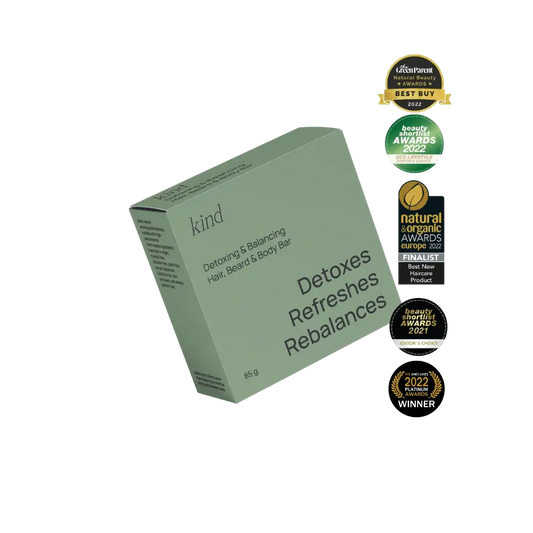
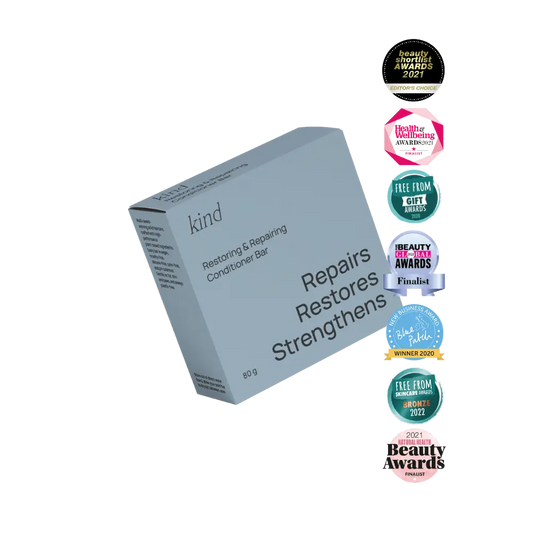
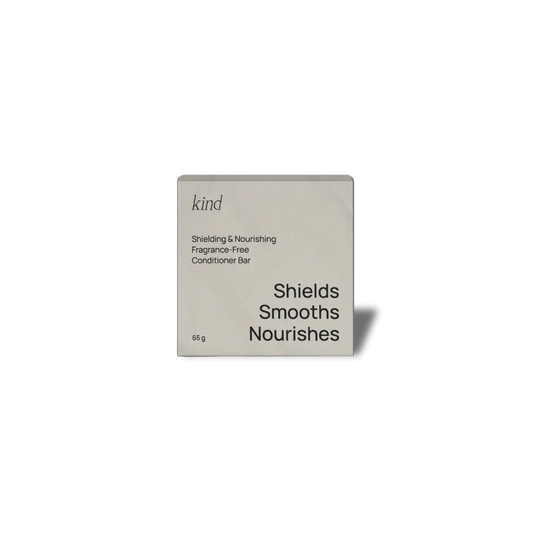
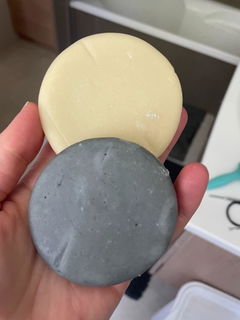
By removing water and filler, KIND2 shampoo bars don’t need surface-level ingredients to create the illusion of performance. The focus is on hair that improves with use, not hair that needs constant polishing.

Based on over 6k+ Customers

Concentrated care

By concentrating what matters, our products work harder, last longer, and create less waste.

It’s a better way to make the things we use every day.

Results